Misfits- Where it all started
The TV show that gave me the opportunity to rewrite our approach to digital workflows

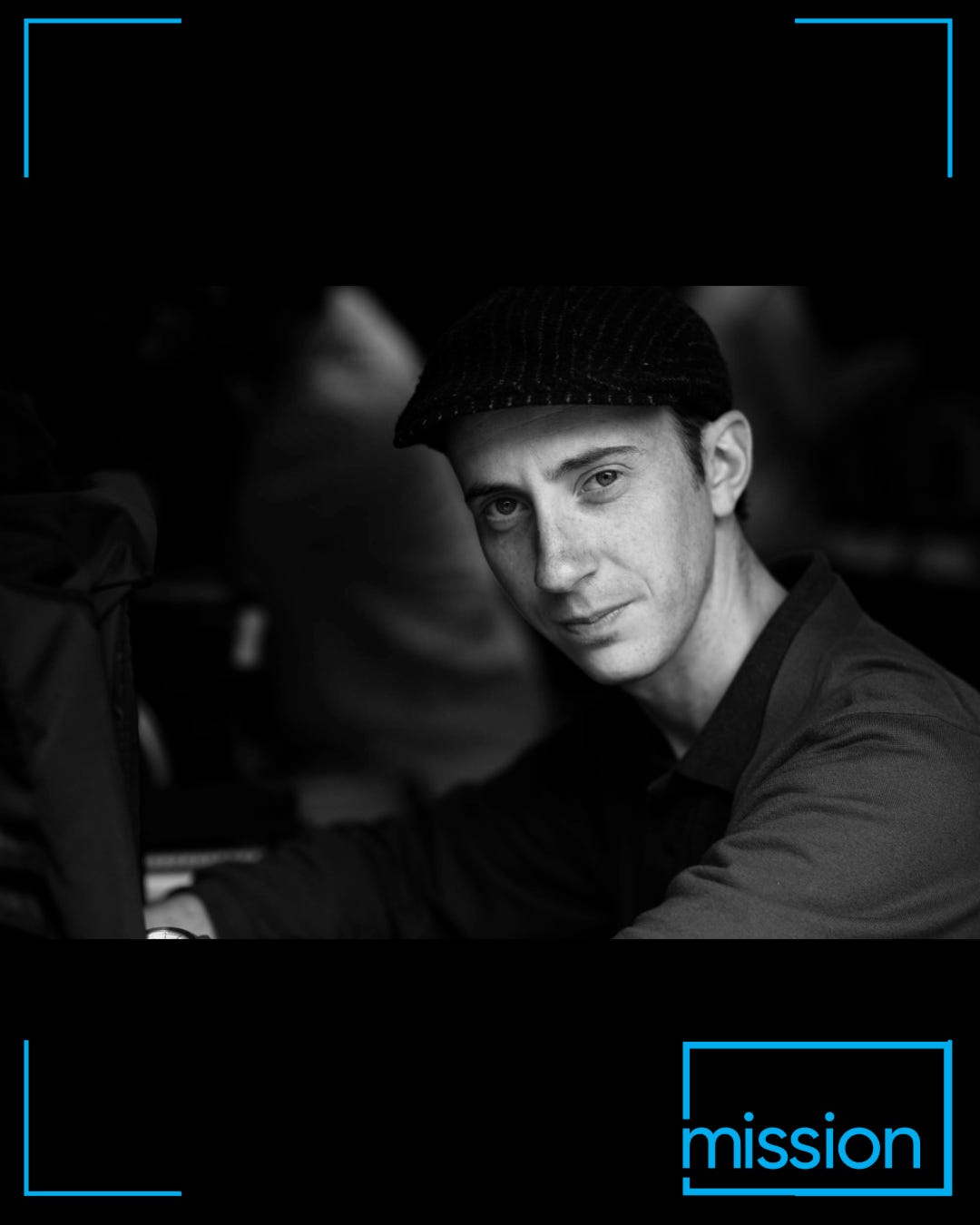
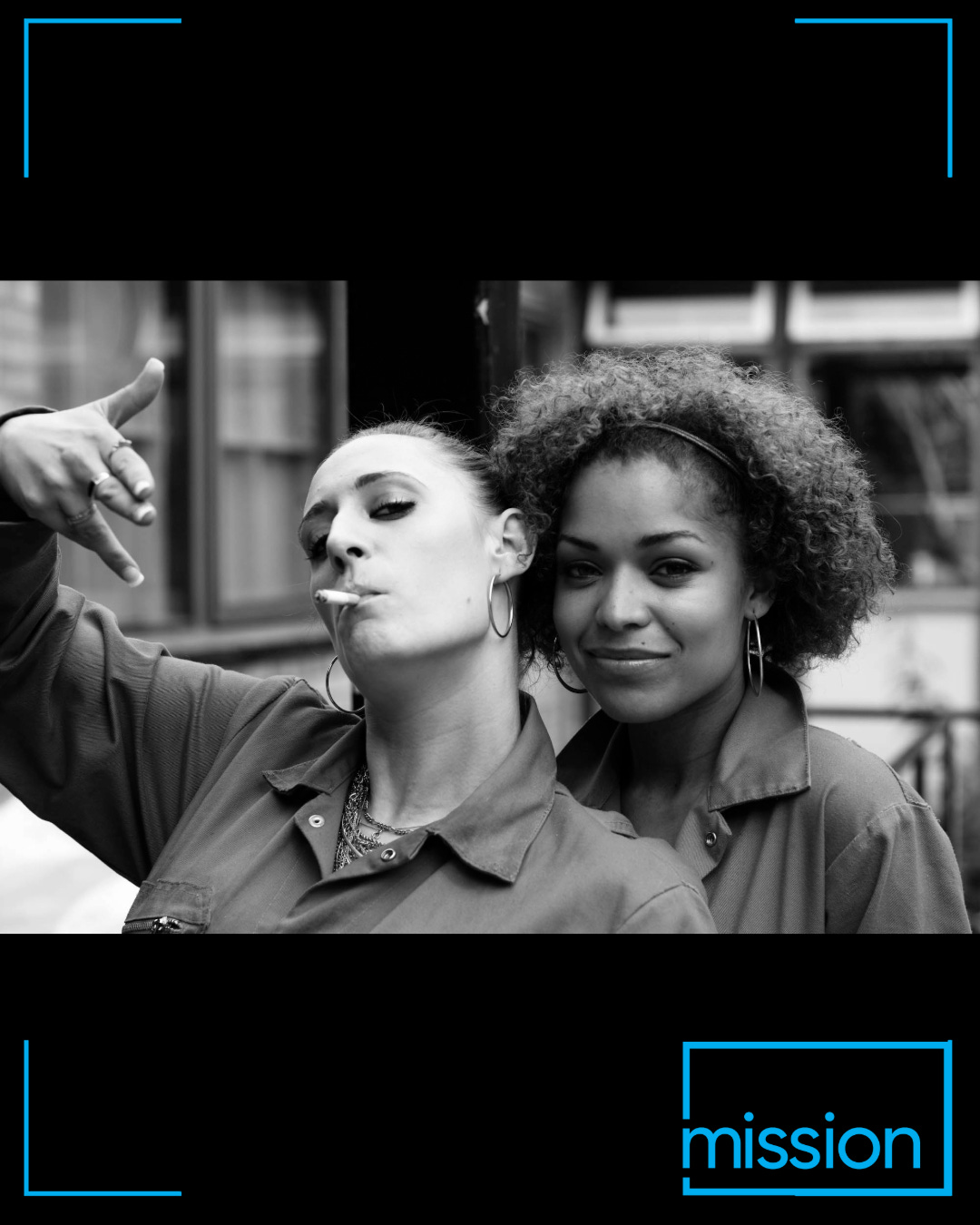
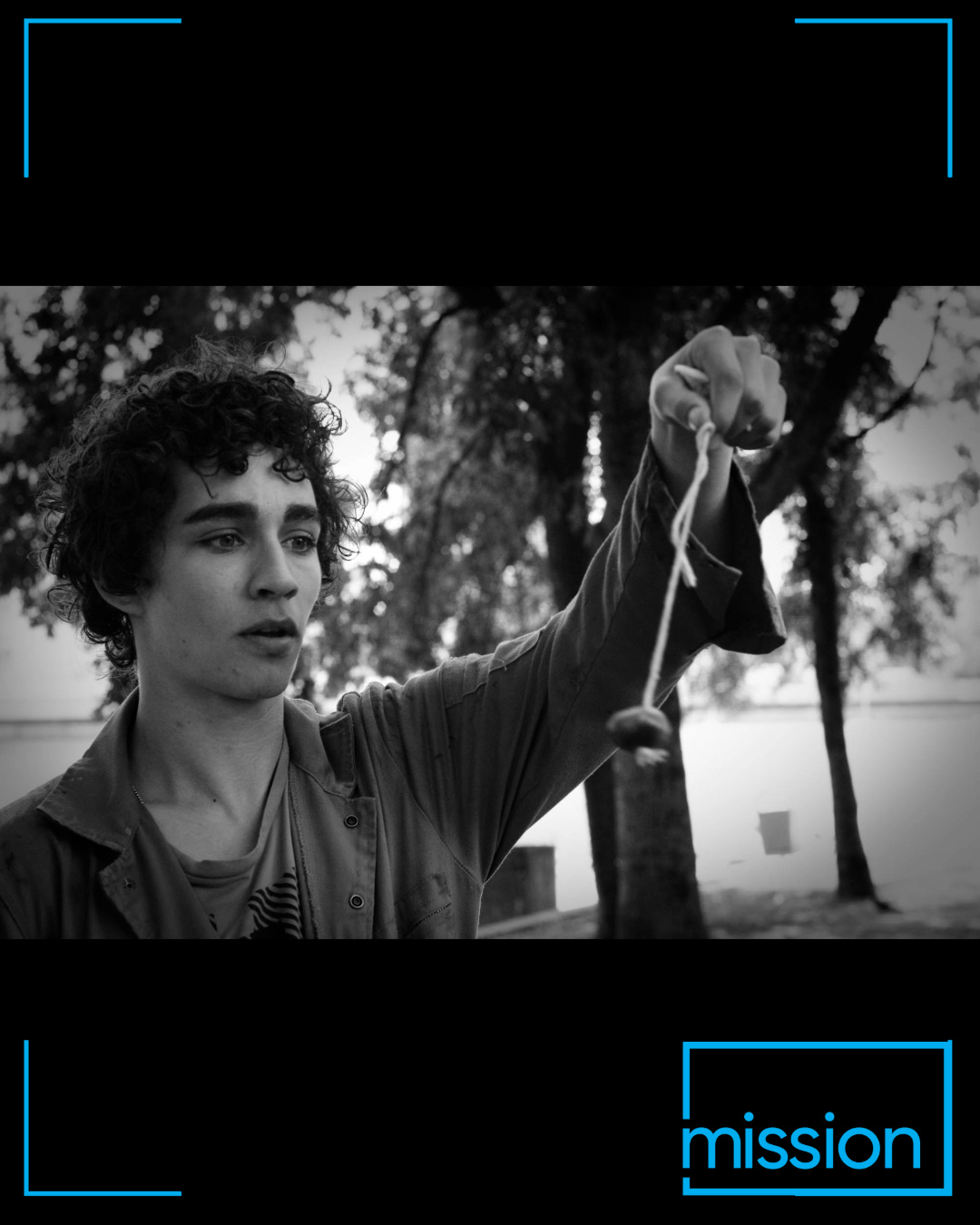
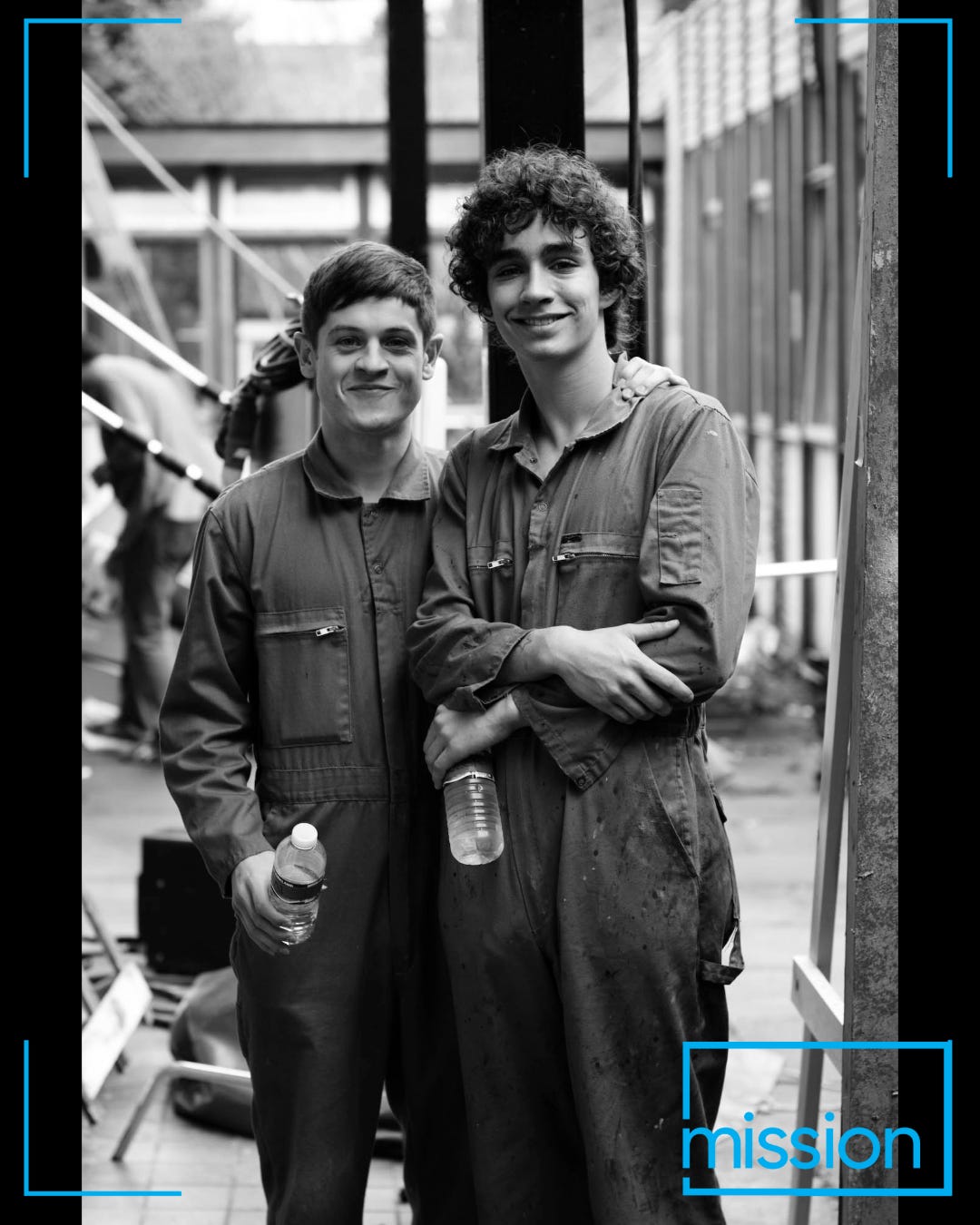
This photo is from 2009.
Taken by Karen Savage, the script supervisor on Misfits — a little TV show we worked on with one of the most inspiring DOPs I’ve had the fortune to collaborate with.
This was before Mission, before children, before the grey hairs…
At the time, the industry wasn’t in a great place. The 2008 financial crisis had hit hard. The value of the pound made shooting in the UK difficult. I was one of many camera assistants trying to move from commercials into features, while also wondering if I had the appetite to be a cinematographer.
What I knew deep down was this: I wasn’t built to be just a gun for hire.
What truly excited me was colour. And even more than that, I loved building workflows, capturing metadata, and enhancing collaboration.
Most shows then were still shot on 16mm with the familiar “TV look.”
But Chris Ross wasn’t going to accept that.
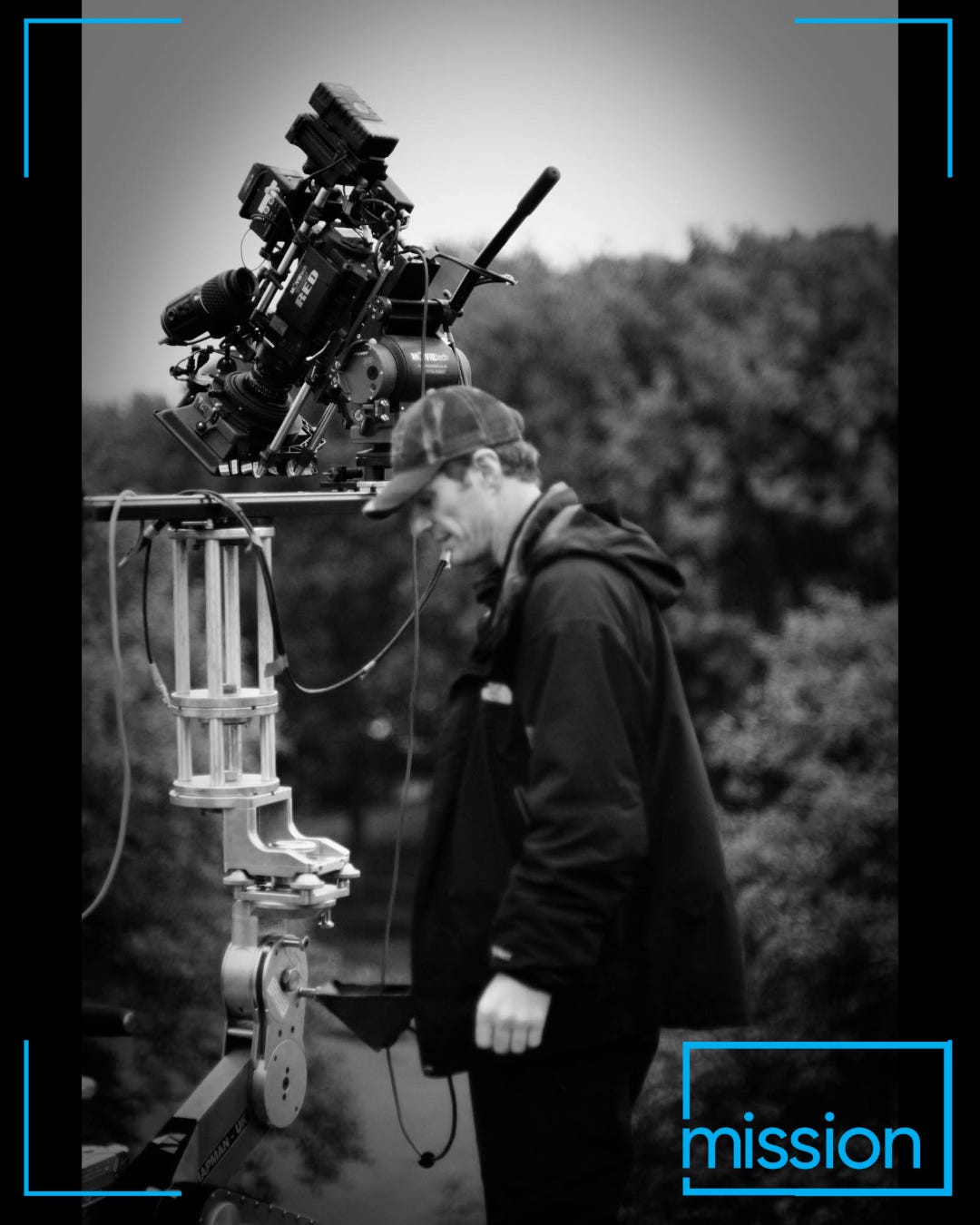
Misfits became one of the first shows to bet on the Red One. Unreliable builds. Compact Flash or spinning disks. Firewire 800 offloads (eSATA felt like a miracle). Chris brought the most eclectic lens set I’ve seen to this day, and the look of the show became a character in itself.
Through Tony Samuels at Panavision, I was introduced to Chris and offered the role of DIT for Seasons 1 and 2. At the time, there were only a handful of DITs in the UK. Honestly, I thought I had no idea what I was doing. But in hindsight, no one else did either — and because there were no problems, I must have held it together.
By Season 2 I was trusted to rewrite the workflow from scratch. Real-time processing of Red footage was new, and it opened the door to something bigger: what I believe was the first on-set lab in UK TV. We were producing sound-synced rushes, web encodes, and even dailies “in the cloud” — before “cloud” was even a word we used.
I still remember the faces of DOPs walking into the truck, seeing a grading panel for the first time, and realising the control they suddenly had.
Much of what we built back then is now standard practice. And I’m proud to know those experiments became the foundation of how the industry evolved.
But ever since, I’ve kept asking myself: what’s next?
At Mission, we’ve bet the house again — this time on Origami.
We first imagined it as a way for post houses to access cutting-edge automation on a subscription. But what I hadn’t fully appreciated was the impact on production crews.
We started with automated VFX pulls. Now Origami blurs the lines between production and post. It brings visibility to media and metadata, and ensures smooth communication between everyone, no matter where they’re shooting.
Back in 2009, I discovered that what excites me isn’t the technology itself — it’s how it changes the way people work.
And in 2025, we’re about to do it again.