

Metadata: The Third Medium
First we had picture, then we had sound.... is metadata the medium we never truly embraced?

There’s a conversation I had last year that hasn’t really left my mind.
I was at a trade show speaking with a cinematographer. We were surrounded by extraordinary technology — cameras, lenses, monitors, lighting systems, virtual production tools — an entire hall built around innovation.
As much as he loved all of it, he paused for a moment and said something incredibly simple:
“Mark honestly as exciting as this all is… I’d swap all of this for simply more time.”
That stayed with me.
Because underneath all the technology, all the infrastructure, all the workflows, film and television still comes down to something remarkably human:
Time with the performers.
Time with the director.
Time with the cinematographer.
Time to refine creative decisions.
Time to bring out that magic that is Gary Oldman delivering his monologue in Darkest Hour or Christopher Walken against Dennis Hopper in True Romance- that is what the audience remembers.
And while technology can do many things, it cannot create more hours in the day.
What it can do is reduce friction.
It can reduce the invisible operational overhead that quietly consumes resources further downstream in the production pipeline.
Because every unnecessary workflow problem, every manual process, every broken handoff, every unclear delivery, every fragmented workflow eventually costs something incredibly valuable:
creative time.
That’s one of the reasons I’ve become increasingly fascinated by metadata.
I genuinely believe metadata isn’t becoming the third medium of filmmaking, it has become the third medium.
When we say Origami comes to your media, we don’t mean
Just picture.
Or just sound.
We mean picture, sound and metadata.
Metadata Has Always Existed
The funny thing about metadata is that it sounds modern, technical, and abstract.
But in reality, metadata has existed for as long as photography itself.
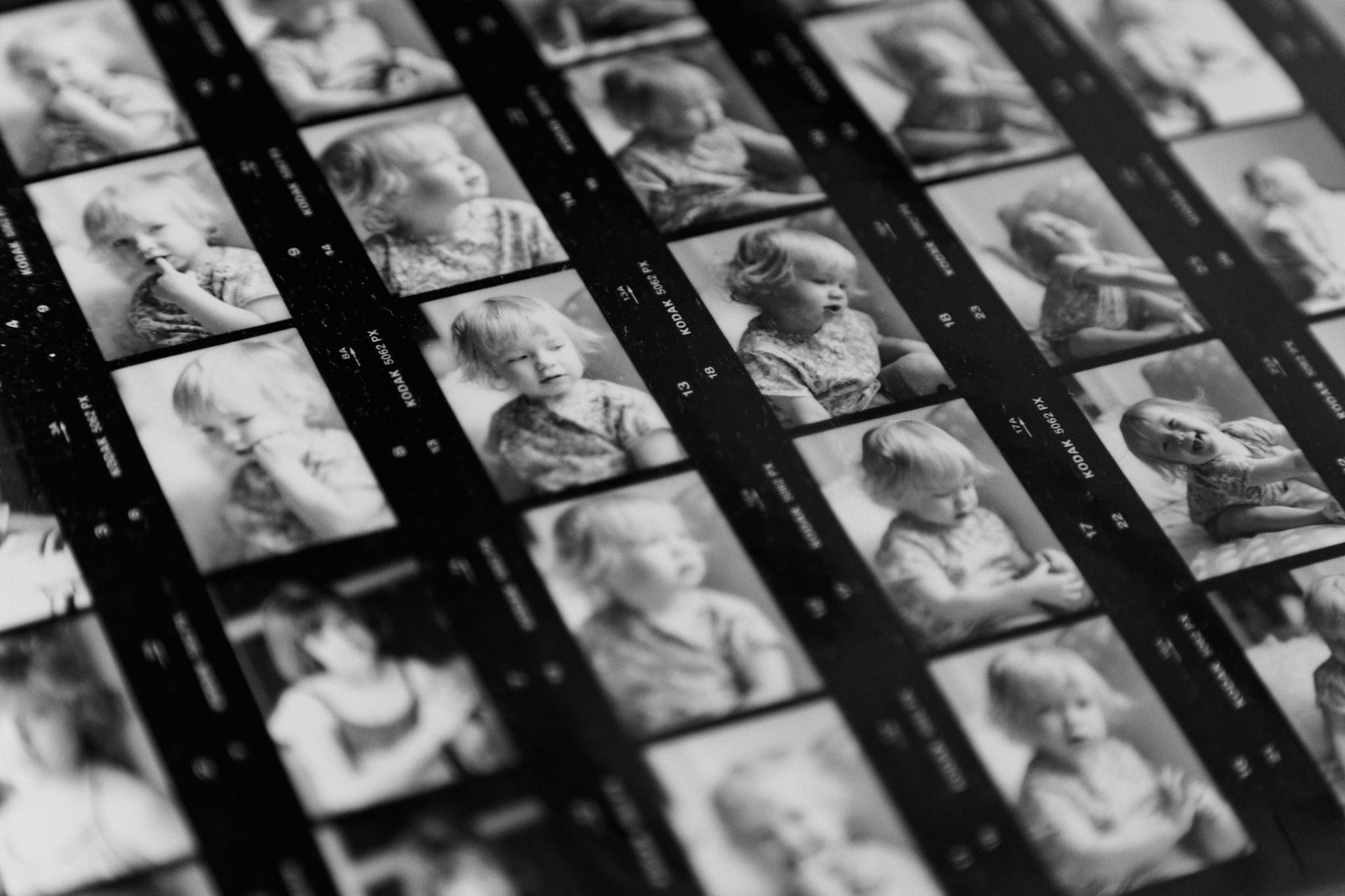
Think about an old family photograph.
Very often, someone would write information on the back:
where it was taken
who was there
what year it was
what was happening at the time
That information gave the image context.
Without it, the photograph still existed, but part of its meaning disappeared.
In many ways, metadata in filmmaking serves the same purpose.
Historically, this existed in:
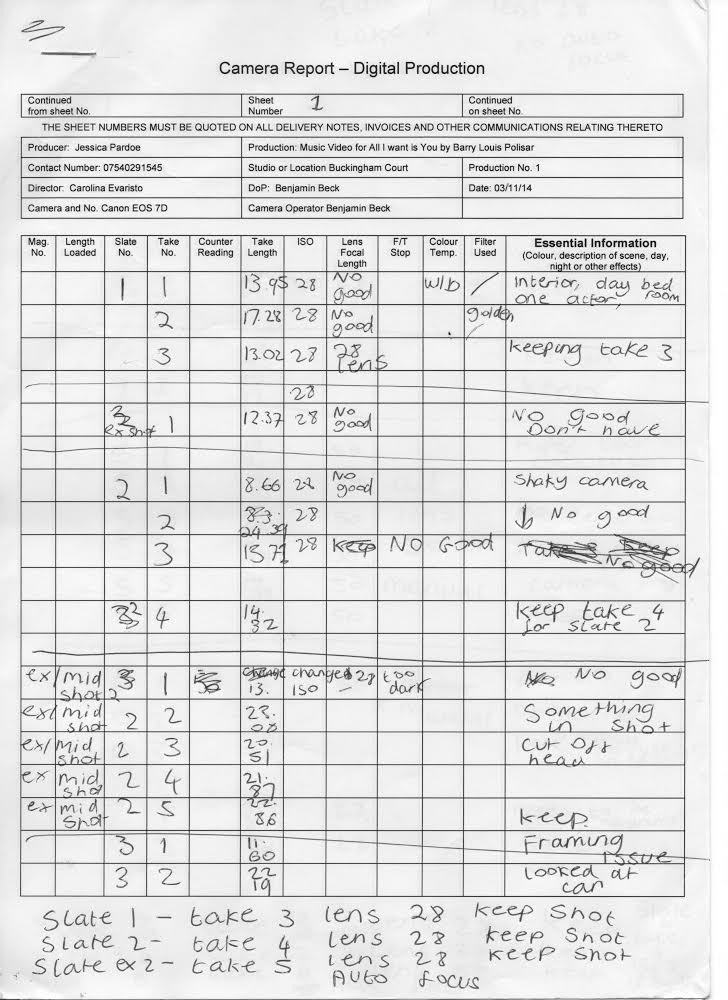
camera reports
continuity notes
lab paperwork
sound reports
neg reports
The information surrounding the image helped explain the image.
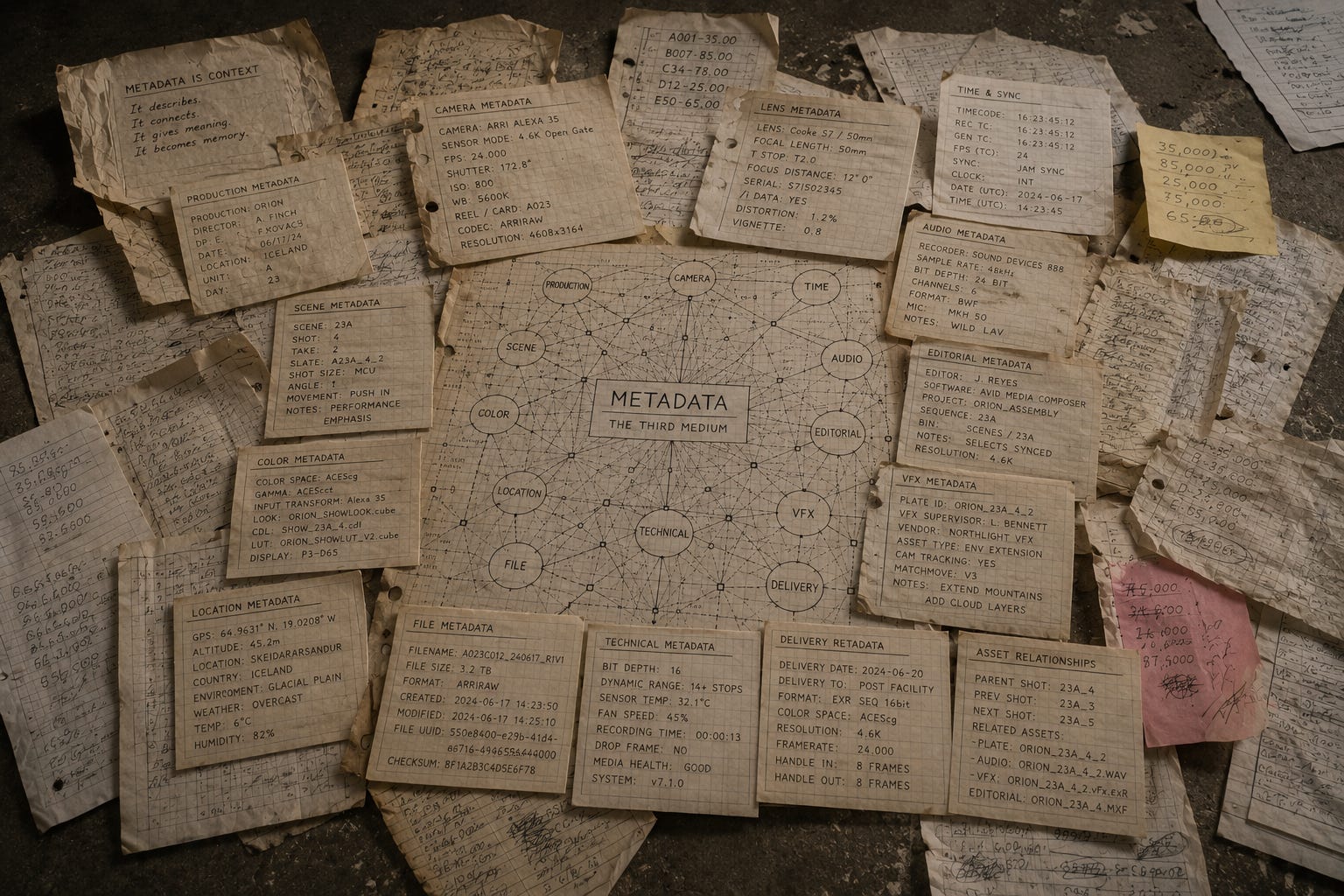
But today, modern productions generate extraordinary amounts of operational and creative metadata:
camera settings
lens information
colour metadata
timecode
scene and slate information
lens distortion data
CDL information
editorial metadata
VFX metadata
location information
production context
And increasingly, that information matters.
Metadata Is Creative Context
One of the misconceptions about metadata is that it’s simply administrative information.
I don’t think that’s true anymore.
Metadata is increasingly becoming operational and creative intelligence, it helps artists further down the pipeline understand matters as abstract as creative intent.
It helps:
editorial understand production decisions
VFX vendors understand the plate they’re working with
colour workflows remain consistent
productions maintain continuity
teams collaborate across fragmented workflows
In the VFX world particularly, metadata can become incredibly important.
The better contextual information artists have around captured photography, lenses, colour, camera movement, and production intent, the easier it becomes to integrate visual effects naturally into the photographed image.
Metadata helps bridge the gap between what was captured physically on set and what must later be extended, enhanced, or completed digitally.
Metadata and AI
As the industry increasingly looks toward AI to help bring efficiency to VFX and post-production workflows, I think metadata becomes even more important.
Because AI without context is ultimately limited.
The real opportunity isn’t simply using AI to generate imagery faster, it’s giving systems better contextual understanding of the material they’re working with. Lens information, camera metadata, colour pipelines, scene context, editorial intent, production history, continuity data — all of this helps create a richer understanding around the image itself.
In many ways, metadata becomes the connective layer that allows automation and AI systems to operate with greater intelligence, consistency, and reliability inside complex creative workflows.
The better the context, the better the decisions.
The Problem Is That Metadata Is Messy
And this is where things become complicated.
Because despite how valuable metadata is becoming, the industry still struggles enormously with how to manage it.
Part of the problem is that metadata is often:
undefined
inconsistent
fragmented
manufacturer-specific
department-specific
No single department truly owns the responsibility of ensuring metadata reliably flows from set through to post production.
Different camera manufacturers define metadata differently.
Different software tools interpret metadata differently.
Different workflows preserve or lose metadata differently.
And because the landscape is so fragmented, many teams simply don’t know:
what metadata exists
what value it contains
how to preserve it
how to operationalise it
So despite productions generating huge amounts of potentially valuable intelligence every day, much of it quietly disappears between workflows.
And historically, many people have accepted that as normal.
Metadata Is No Longer a “Nice to Have”
I increasingly think that mindset has to change.
Because the economic pressures facing this industry are becoming impossible to ignore.
Margins are tighter.
Workflows are more complex.
VFX volumes continue to rise.
Production ambition always outweighs available resources.
At the same time, productions are searching desperately for efficiencies that don’t compromise creative quality.
And this is where metadata becomes much more than a technical curiosity.
Metadata has the potential to reduce friction across the entire production pipeline.
For us, Origami was never simply about speeding up turnovers.
The bigger opportunity is reducing the amount of human labour and operational overhead required to complete work downstream.
If metadata can help reduce a VFX task from ten days to seven days, and that efficiency compounds across hundreds or thousands of shots, the impact becomes significant.
Not simply financially.
Creatively.
Because every efficiency gained downstream potentially creates more space upstream:
more time on set
more time refining performances
more time for creative collaboration
more time for directors and cinematographers to focus on storytelling rather than operational compromise
And perhaps that’s the thought I keep returning to from that trade show conversation.
Technology alone isn’t the goal.
I don’t believe what this industry needs right now is simply more tools.
I think we need to look much harder at how we optimise, connect, and extract more value from the tools and workflows we already have.
Because ultimately, the goal isn’t building more operational complexity.
It’s creating more time for storytelling.